
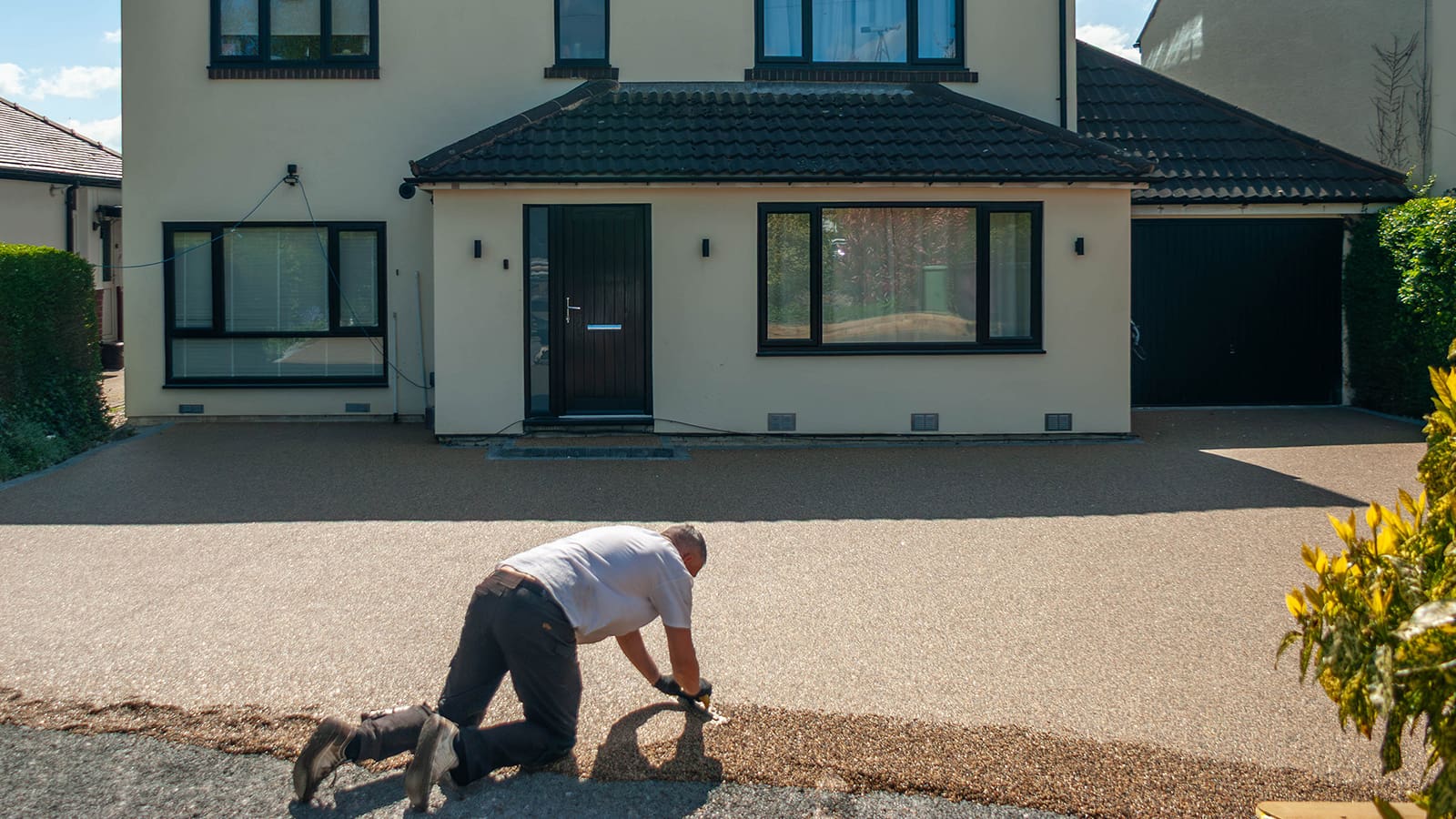
The recommended application temperature range for resin bound is between 5°C and 25°C. With summer temperatures now capable of exceeding 25°C and, in some cases, reaching highs of over 35°C, installers must understand how hot weather can affect the resin bound installation process.
Laying resin bound in higher temperatures is possible, but it must be done safely and correctly, with the right preparation, planning and organisation. Warm, dry weather can provide good installation conditions, but excessive heat can also reduce working time and create avoidable risks on site.
In this blog, we will provide guidance and practical tips for installing resin bound surfaces in high temperatures.
How To Beat The Heat
Starting installations as early as possible allows you to make the most of cooler temperatures and helps avoid the hottest parts of the day. This can give you a more manageable working time and reduce the pressure on the installation team once the installation has started.
If permitted by your client and local restrictions, consider starting around 7am or earlier. However, always check the area’s permitted construction working hours, as these can vary depending on the local council and the nature of the work being carried out.
Keep your material cool
Where possible, keep resin, aggregates and other materials stored out of direct sunlight before use. Materials left in full sun can become significantly warmer than the surrounding air temperature, which can reduce working time once the resin has been mixed.
Set up a shaded mixing area if practical, keep materials covered until they are needed and avoid leaving mixed material sitting in a mixer, bucket or wheelbarrow any longer than necessary. The hotter the material becomes, the more difficult it can be to work with.
Check The Surface Temperature
When installing resin bound in hot weather, it is important to consider the surface temperature of the base, not just the forecast air temperature. Concrete, tarmac and other hard base surfaces can become significantly hotter than the surrounding air, especially when exposed to direct sunlight for long periods.
A base that is too hot can reduce the resin’s working time and make the material more difficult to install, even if the air temperature appears to be within a manageable range. This can put additional pressure on the team and increase the risk of visible trowel marks, joins or inconsistencies in the finished surface.
Stay ahead of cure times
Work quickly and efficiently, maintaining a steady workflow throughout the installation. As temperatures rise, the resin’s working time will reduce, so it is important to stay ahead of set times and avoid delays that could affect the quality, consistency or appearance of the finished surface.
Do not leave mixed material in the mixer or wheelbarrow any longer than necessary, as this can affect workability and may compromise the final result.
Pay close attention to the wet edge. If it is left too long before the next batch of material is trowelled in, it can begin to cure, making it difficult to blend the new material into the existing area. This can result in visible lines or inconsistencies in the finished surface.
Sun Protection & Hydration
Keep hydrated and work safely in the heat. As obvious as it may seem, staying hydrated is essential throughout the day, as high temperatures can quickly lead to fatigue, reduced concentration and an increased risk of heat-related illness.
Take regular breaks where possible, provide access to cool drinking water and make use of shaded rest areas. Working in direct sun for long periods can affect both safety and productivity, so planning breaks properly is just as important as planning the installation itself.
Be sure to apply sun cream before starting work and reapply it regularly, especially during prolonged exposure to the sun. Wearing a suitable hat is also recommended to help protect your head, face and neck from direct sunlight.
Wait For The Right Conditions (Optional)
If temperatures are too high, consider postponing the installation until conditions return to within the recommended operating range. While project schedules are important, attempting to install in excessive heat does not benefit the installer, the client or the finished surface.
Delaying the installation until more suitable conditions are available can improve material performance, provide a more controlled working environment and significantly reduce the risk of costly rework or installation failure.
Can you install in such extreme temperatures?
Can You Install Resin Bound in Extreme Temperatures?
Yes, resin bound can be installed in high temperatures, but it should only be done with the right planning, preparation and precautions in place. It is important to assess the conditions of each project carefully before starting.
Project size should also be taken into account. Every installation team works at a different pace, so in extreme heat, it may be sensible to only take on projects that can be completed before 11am or midday, before temperatures reach their peak. Larger installations that are likely to continue into the hottest part of the day should be carefully assessed and, where possible, rescheduled for more suitable conditions.
It is also worth considering the financial risk. A failed or poor-quality installation can lead to costly remedial work, wasted materials, unhappy clients and lost time. While delaying a project may be frustrating, it is often far less costly than trying to complete an installation in unsuitable conditions and having to put it right later.
For non-essential works, it is often more effective to reschedule the installation and return when conditions fall back within the recommended operating range.
In summary
Working in hot weather presents additional challenges, but with the right planning and precautions, they can be managed effectively. Starting early, maintaining an efficient workflow, protecting materials from excessive heat and knowing when to postpone an installation can all make a significant difference to the quality of the finished project.
If you do choose to go ahead with the installation, please take into account all of the advice in this blog and, most importantly, do not overlook your own wellbeing or the wellbeing of your team. Staying hydrated, taking regular breaks and recognising the signs of heat-related fatigue are just as important as following the correct installation procedures.
Need PERMABOUND for an upcoming project?
Get in touch today and we’ll connect you with your nearest PERMABOUND stockist.